Nature Beyond the Binary
Queer Ecology challenges traditional ideas of what is considered “natural” or “unnatural,” exposing how societal biases shape our understanding of the natural world. Throughout history, science has been weaponised to exclude certain groups by labelling them as “unnatural”. This has warped our perceptions of nature and reinforced misconceptions.
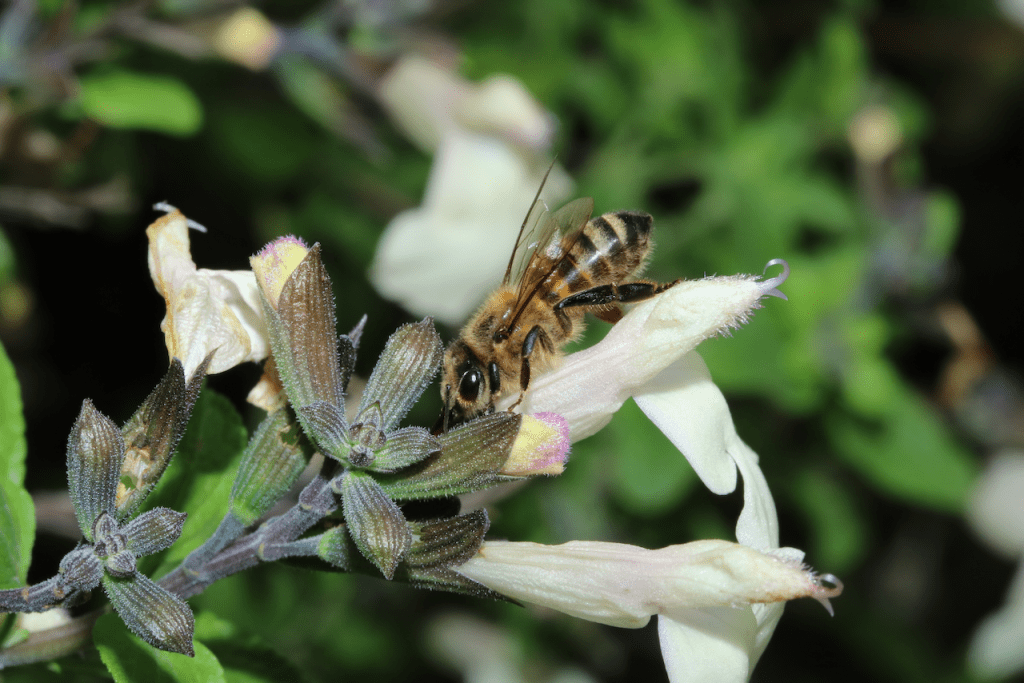
Take honeybees, for example. Many people assume worker bees are male, thanks to their portrayal in films like A Bug’s Life, Antz, and Bee Movie. In reality, worker insects are female, while males are only produced for a couple of weeks at the end of the summer. These assumptions reveal how cultural bias and media influence scientific understanding.
Scientific censorship has also played a role in erasing the evidence for homosexual behaviour in nature. In 1910, aboard the Terra Nova expedition to Antarctica, naturalist and doctor Dr George Murray Levick documented the sexual behaviours of Adélie penguins. This included frequent observations of same-sex sexual behaviour. When he attempted to publish his findings, his publishers refused to include this saucy information, and his notes were hidden away for over a century. They were only rediscovered in 2012.
In the 1970s, ornithologists George and Molly Hunt were studying the population ecology of Western Gulls off the coast of Santa Barbara, California. Western Gulls typically lay three eggs per nest and are sexually monomorphic (meaning males and females look identical). During their research, the Hunts started noticing nests with six eggs. This is double the number any single female could physically produce. Closer observation revealed that these nests belonged to female-female pairs. And they weren’t alone, 14% of the nests belonged to same-sex pairs, or, as was sensentialised in the media as lesbian seagulls.
Upon publishing their research, the Hunts faced a media backlash, accused of wasting government funding. The controversy even led to an investigation of the funding body, which was pressured into agreeing never to finance further research on the gulls. The researchers hadn’t set out to study queer seagulls, they were simply reporting their observations.
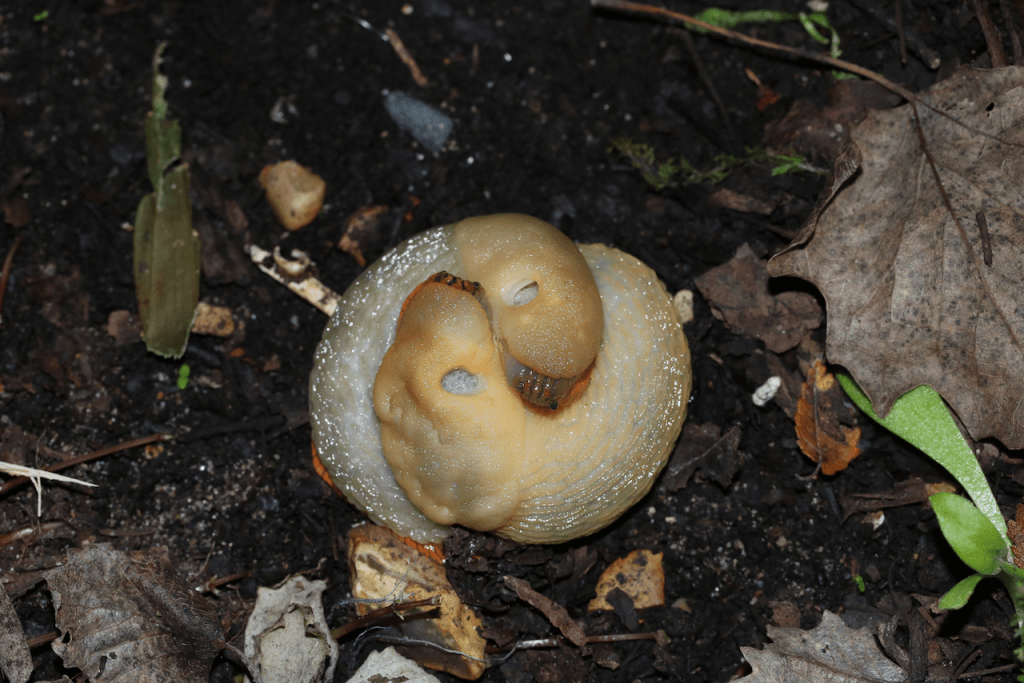
To date, nearly 2,000 animal species have been recorded exhibiting homosexual behaviour, from invertebrates to birds, mammals, and fish. Realistically, if you study any species long enough, you’ll witness some gay antics. But that’s just one side of the proverbial queer coin. When it comes to sex and gender, nature has no fixed rules. Sexual fluidity is everywhere, from trees to woodlice to fish. And let’s not even get started on fungi, where some species have over 23,000 sexes.
In the end, the only thing that’s truly normal in nature is fluidity and being a bit weird. The natural world exists on a spectrum. To claim that queer people are “unnatural” is to ignore the overwhelming diversity of life itself, burying your head in the sand like an ostrich. And, fun fact: ostriches? Also massive homos.
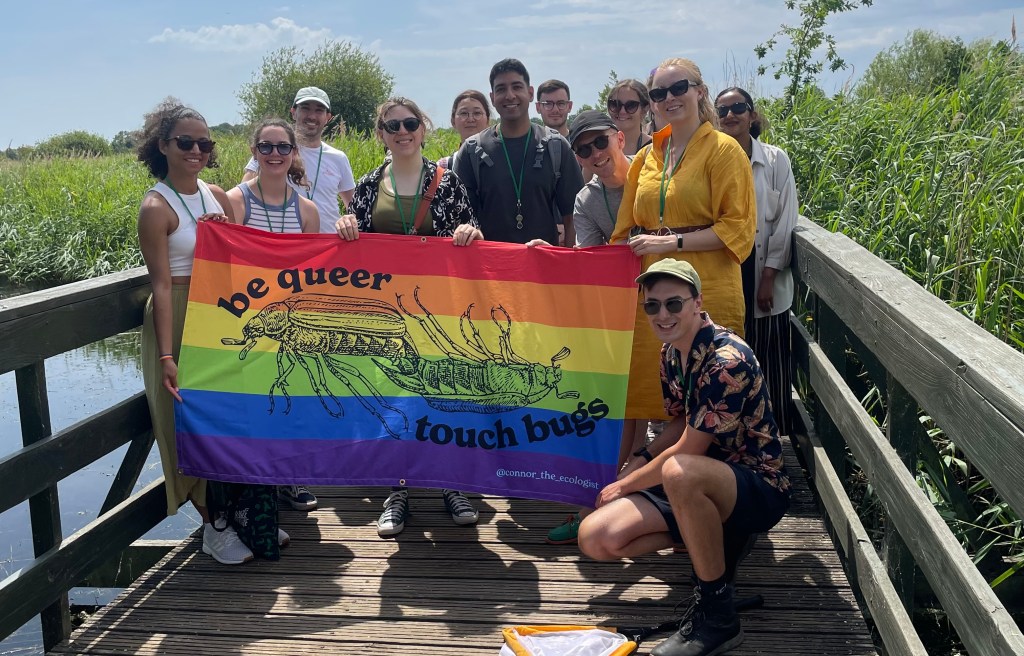
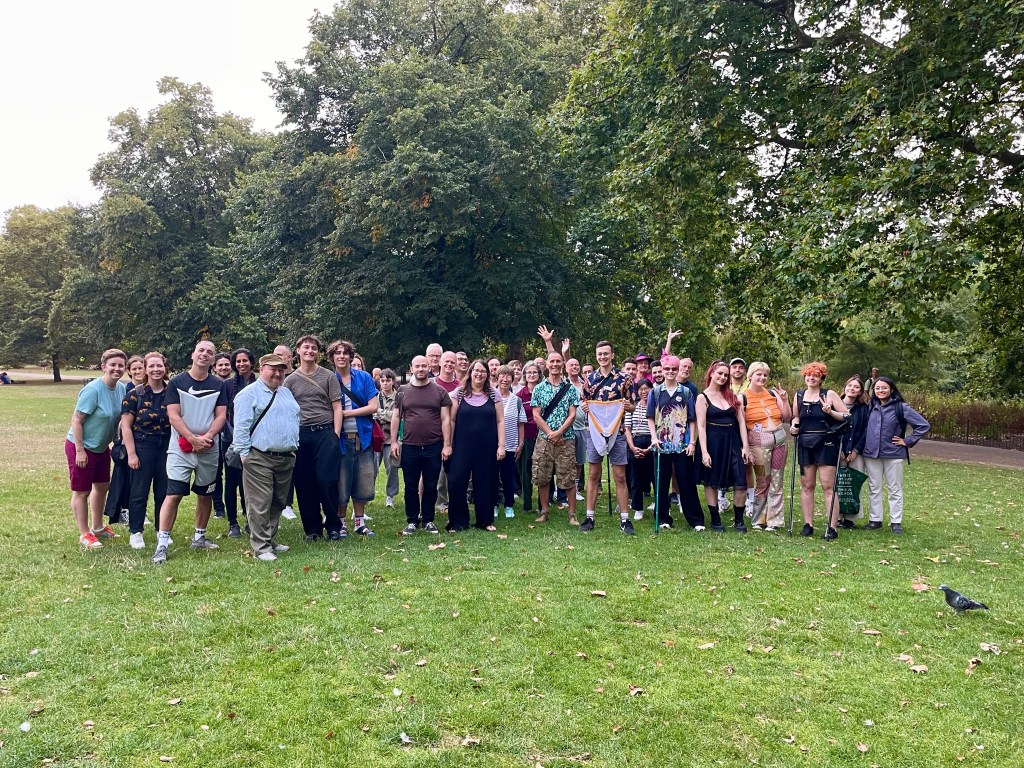
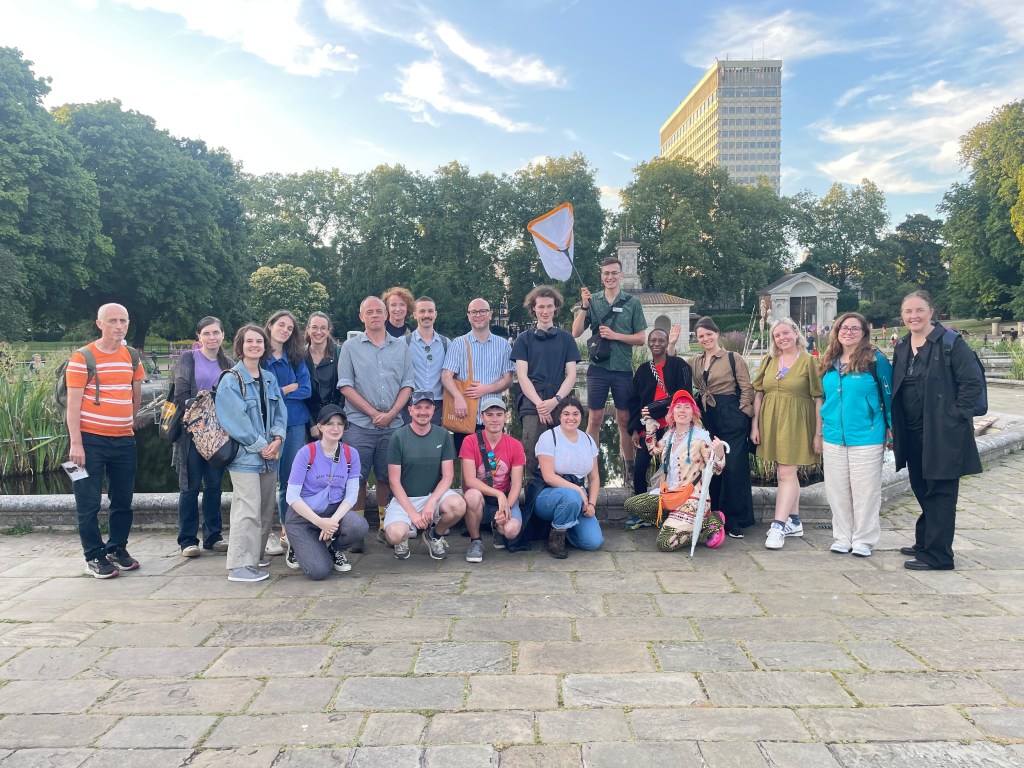
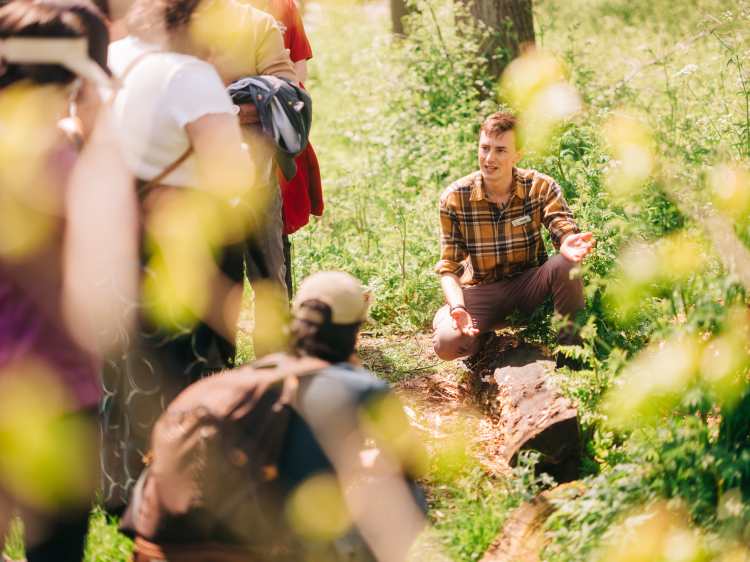
Connor is one of the leading figures in the Queer Ecology movement, with over 2,500 of people having joined his nature walks and lectures. He has worked to develop queer-inclusive programming with many of the UK’s cultural and conservation organisations, including the Wildfowl & Wetlands Trust, The Royal Parks, London Wildlife Trust, Chelsea Physic Garden, and the Garden Museum, to name a few. He has also given lectures and webinars for WWF, University of Southampton, Mammal Society, British Trust for Ornithology, Anna Freud, Client Earth, World Resources Institute and others.